The hall of fame move in sales has nothing to do with talking.
Every sales training program teaches you what to say. The skill that actually closes deals at the highest level is the one almost nobody practices: listening so well that the buyer talks themselves into yes.
There is a version of a sales conversation where the rep does most of the talking. They present, they position, they handle objections, they close. The buyer responds, objects, considers, and eventually decides. This is the model most sales training is built around. It is also, increasingly, the model that produces the most friction and the least trust in a buying process where buyers are more informed, more skeptical, and more resistant to being sold than they have ever been.
The alternative is harder to teach and more powerful to execute. It is the practice of asking precise questions, then listening with enough patience and discipline to let the buyer's own answers do the work. Not listening to formulate the next question. Not listening to identify the objection to overcome. Listening to understand so completely that the path from where the buyer is to where they need to be becomes visible to both people in the room at the same time. When that happens, the buyer doesn't feel sold. They feel understood, and understood buyers buy.
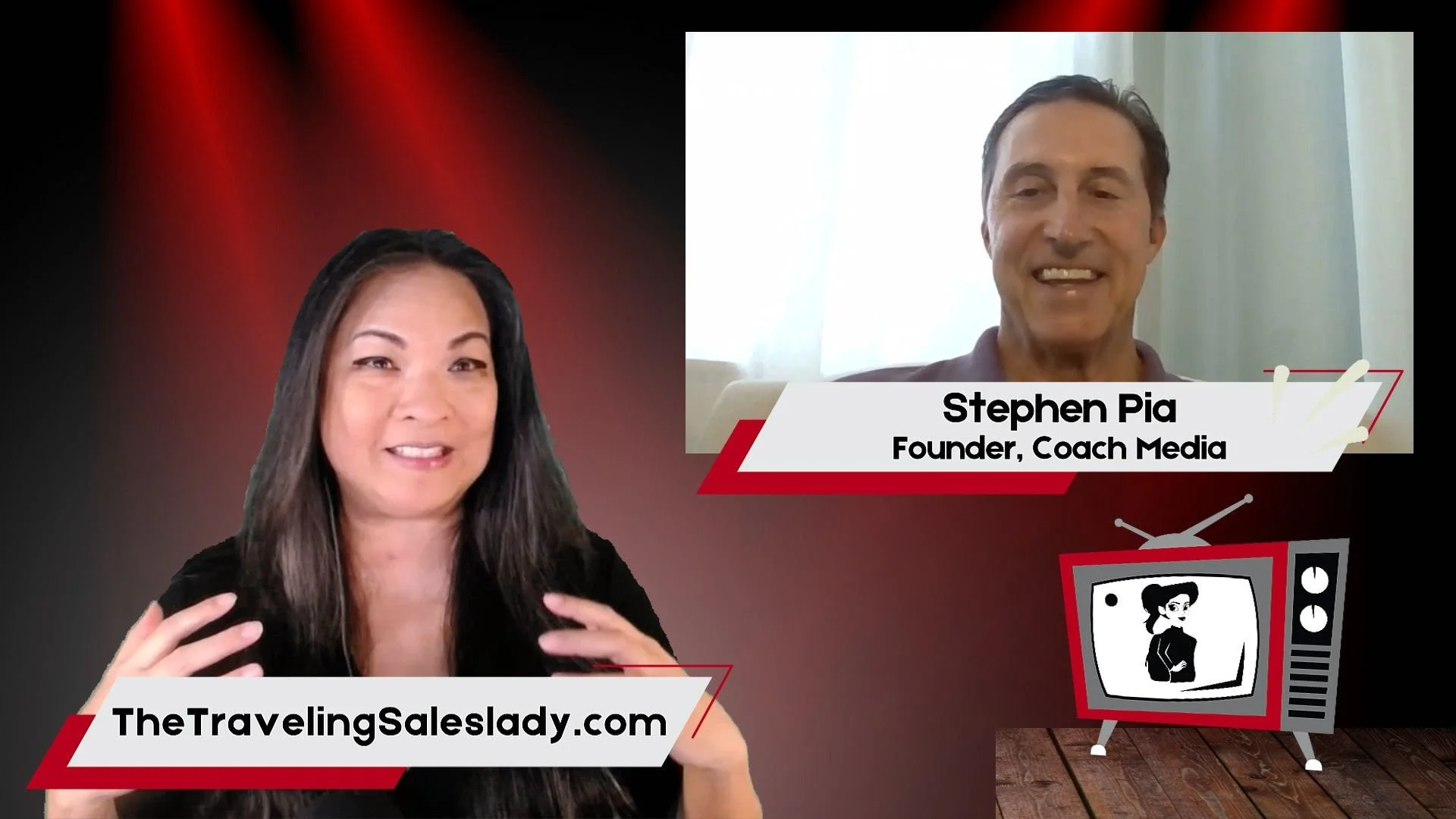
Sales coach Stephen Pia of Coach Media calls this “listening clients” into buying, and describes it as the hall of fame move in sales. The phrase is simple, but the mechanics behind it are not. It requires a rep who is secure enough in their process to slow down and a rep who trusts that the right question, followed by genuine silence, will surface more useful information than any pitch ever could.
It requires a rep who is secure enough in their process to slow down and a rep who trusts that the right question, followed by genuine silence, will surface more useful information than any pitch ever could. It requires a rep who understands that the goal of most sales meetings is not to close but to earn the next conversation, and that the fastest path to that next conversation is making the current one worth having.
Most reps talk too much, not because they don't know better but because silence is uncomfortable, because filling space feels like progress, and because the training they received rewarded articulation over inquiry. Unlearning that takes intention. It means sitting with a question long enough for the buyer to give a real answer instead of a surface one. It means following the thread of what they actually said instead of pivoting to the next agenda item. It means treating the conversation as the product rather than the means to get to the product.
"Listen clients into buying. That's the hall of fame of sales. When you can do that, you've stopped selling entirely. You're just helping someone see what they already need."
The practical result of this shift is a different kind of close, not the close that happens because the rep pushed hard enough or structured the proposal cleverly enough, or caught the buyer at the right moment. The close that happens because the buyer, having been genuinely heard, arrived at the decision themselves. That close is more durable, more likely to survive the post-sale scrutiny, and more likely to produce the kind of client who refers to others. It's also the most satisfying version of the job for the rep who gets there.
Three things for your consideration:
What percentage of your last sales meeting was you talking versus your buyer talking?
Most reps who estimate this are wrong by a significant margin. They remember the questions they asked but not the space they filled between the answers. A rough rule worth testing: if you're talking more than 40% of the time in a discovery conversation, you're probably not listening enough to surface what the buyer actually needs. Record a call with permission and find out where you actually are.
When a buyer answers a question, what do you do next?
The instinct is to respond, validate, and move to the next question. The higher-leverage move is often to follow the thread of what they just said: to go deeper into what they mentioned, to ask what they meant by a specific word, to let the silence invite them to keep going. The best information in any sales conversation lives just past the first answer. Most reps never get there because they move on too quickly.
Have you ever had a buyer talk themselves into a decision without you closing?
If yes, think about what happened in that conversation that was different. What questions were asked? How much space was given. What didn’t you say that you normally would have. That conversation is a blueprint. The conditions that produced it are reproducible. The skill is in recognizing them and creating them deliberately rather than stumbling into them occasionally.
Buyers don't want to be sold. They want to make a good decision. The rep who helps them do that by asking better questions and listening longer than feels comfortable is the one they trust, return to, and tell others about. That's not a closing technique. That's a career.
That's Road Notes from The Traveling Saleslady. If this one resonated with you, the full conversation that inspired it is waiting for you on The Traveling Saleslady podcast. Find it wherever you listen. See you on the road.
𝙅𝙤𝙪𝙧𝙣𝙚𝙮 𝙊𝙣,
♛𝗧𝗵𝗲 𝗧𝗿𝗮𝘃𝗲𝗹𝗶𝗻𝗴 𝗦𝗮𝗹𝗲𝘀𝗹𝗮𝗱𝘆♛
Road Notes is a production of The Traveling Saleslady in partnership with Brilliant Beam Media.